3 / History
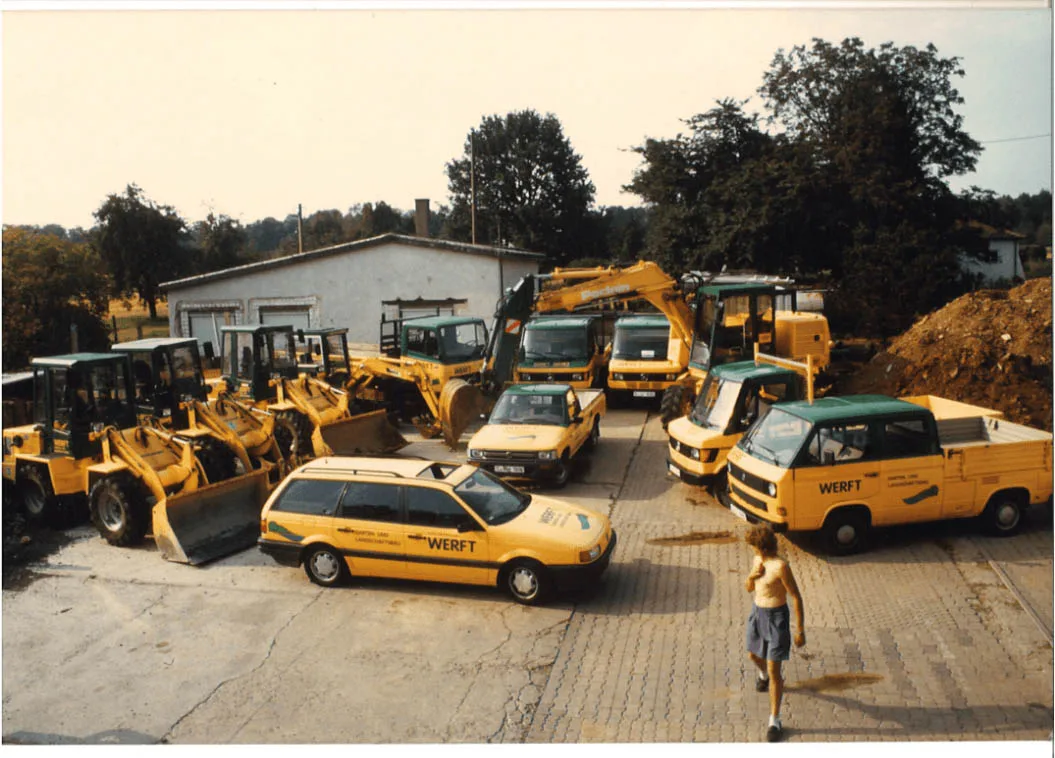
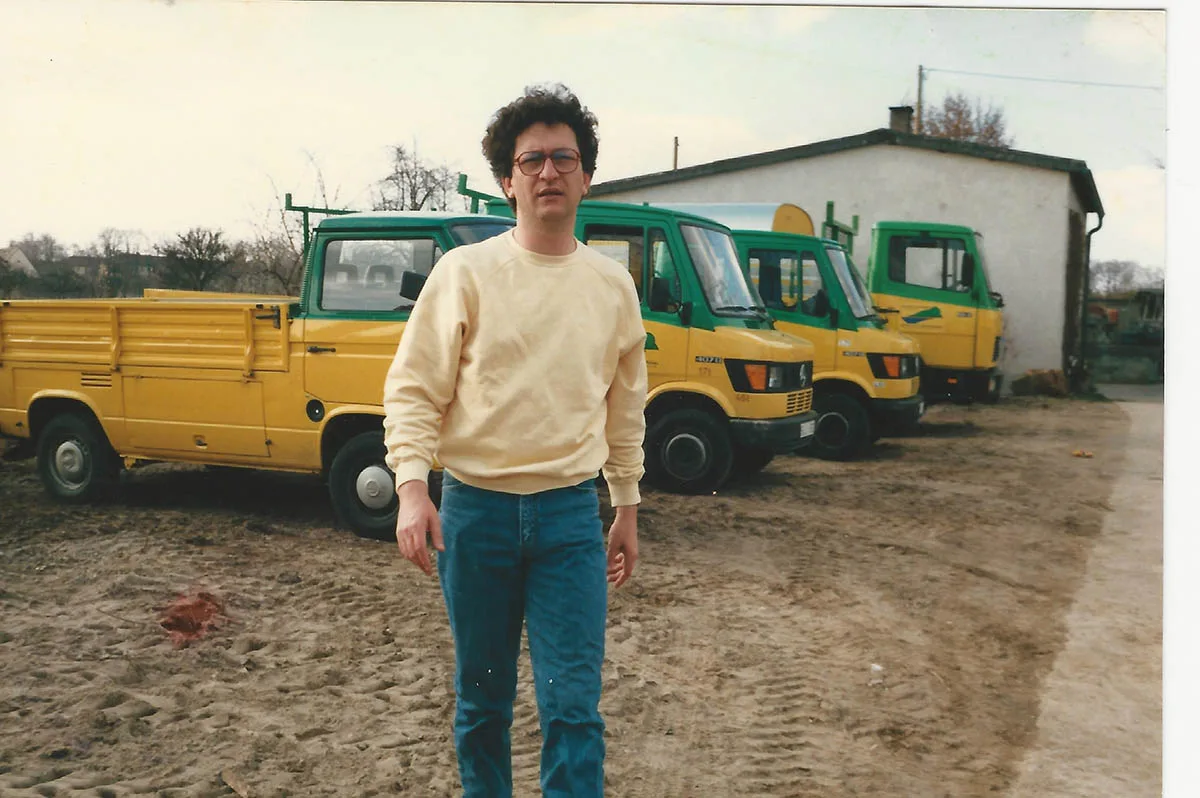
In 1984, Erich Werft envisioned the landscapes of the future and founded Werft Garten & Landschaftsbau GmbH in Stuttgart, Germany. What originated as a dedicated family business has since evolved into a multidisciplinary legacy, bridging the precision of heritage with a visionary approach to the environments of tomorrow.
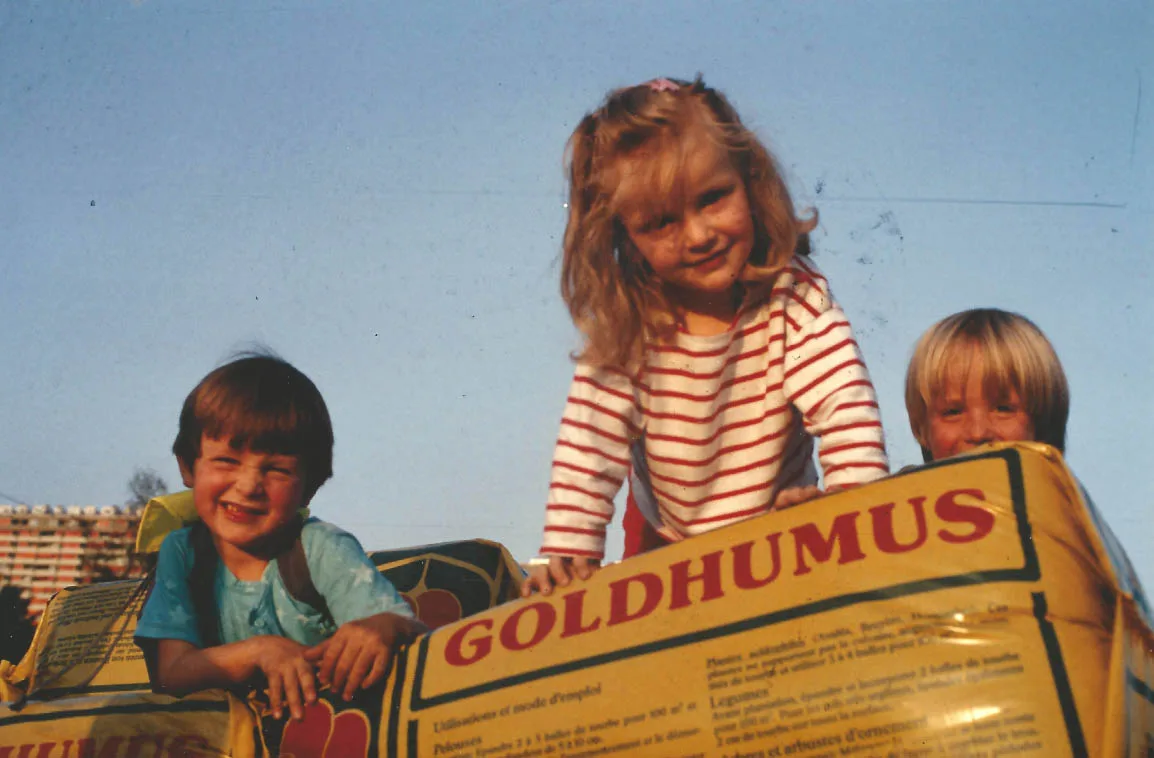
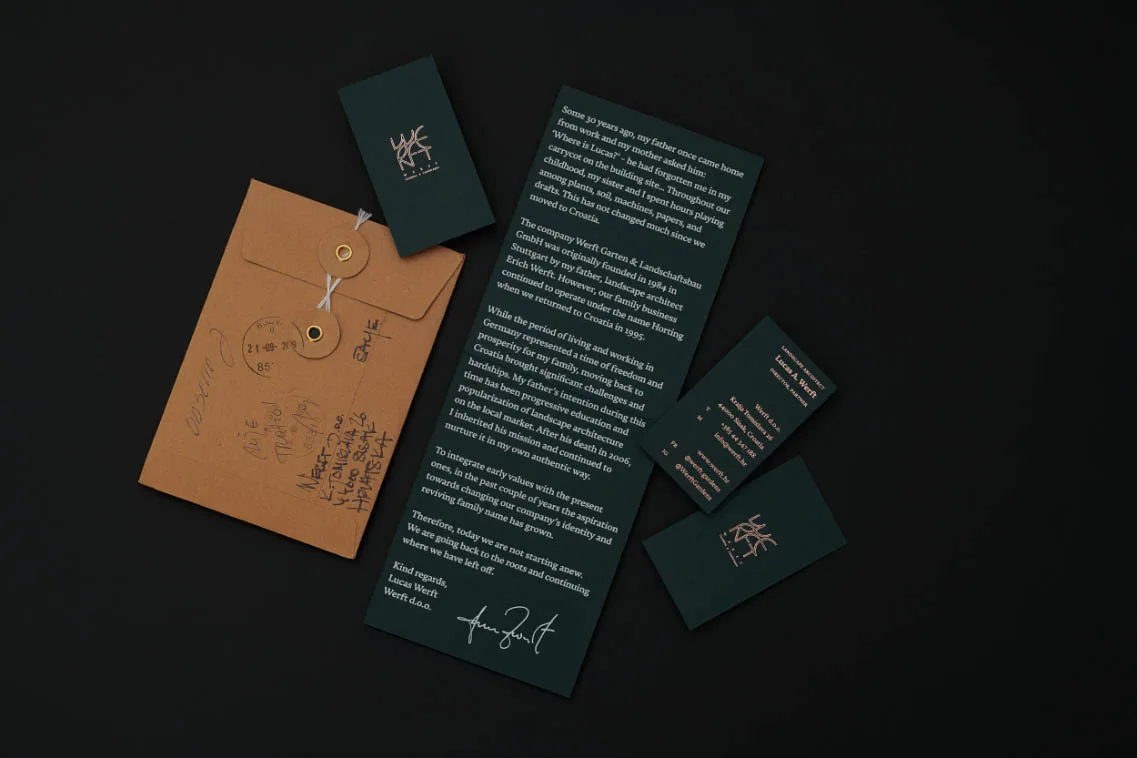
“Some 30 years ago, my father once came home from work, and my mother asked him: ‘Where is Lucas?’ – he had forgotten me in my carrycot on the building site… Throughout our childhood, my sister and I spent hours playing among plants, soil, machines, papers, and drafts.”
In the span of ten years, the business that was initially focused on designing and creating small private gardens developed into a larger company, transformed by bigger and more complex projects that it carried out. The Zoo in Stuttgart, the Mercedes-Benz Plant in Sindelfingen, and Aladdin's Wonderland in Saudi Arabia are some of them.
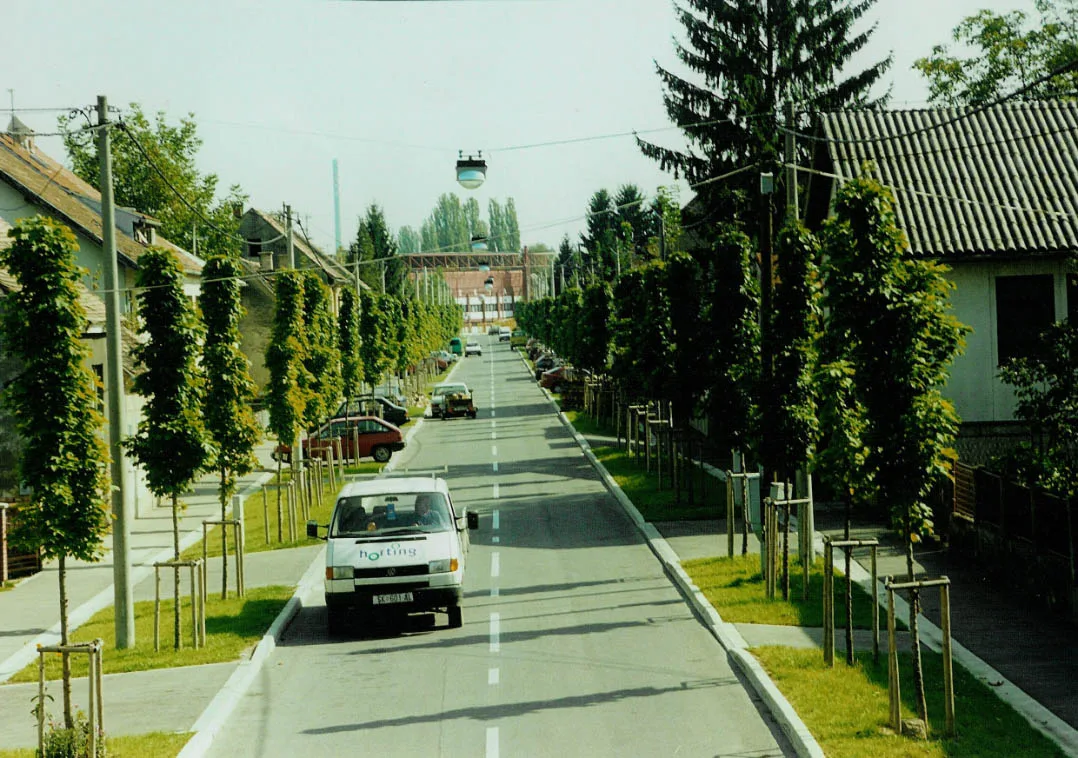
In 1995, the family moved back to Croatia, marking the beginning of a new chapter in Sisak, defined by change through challenges. In this era of adaptation, the company bridged its technical foundations with a deep respect for local heritage. In 1999, the studio initiated the digital mapping of Sisak’s urban forest and parks, a pioneering project that secured formal protection for numerous trees under the Ministry of Culture. It is a perfect example of how German standards, like accuracy and digitization, have been applied to Croatian soil through heritage preservation. It was the era in which two worlds met, to accompany each other ever since.
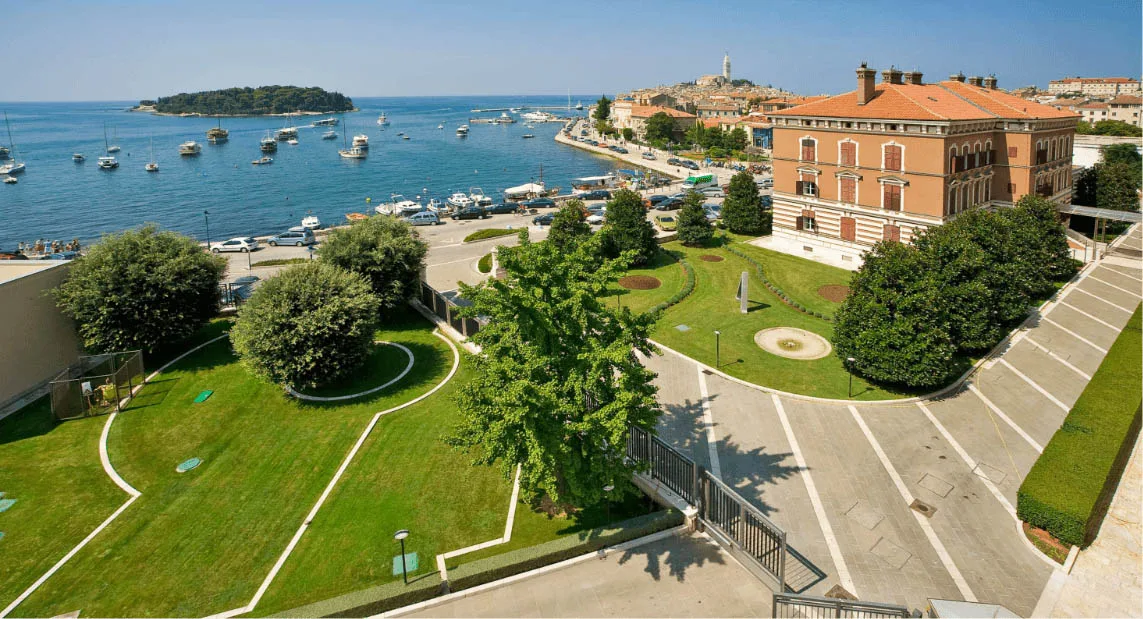
1997 marked a milestone of scale and context with the design of the Tobacco Factory Rovinj park, our first major corporate commission on the Adriatic. We believed, and still do, that even the most functional environments can be transformed into sensory sanctuaries that respect the spirit of the place.
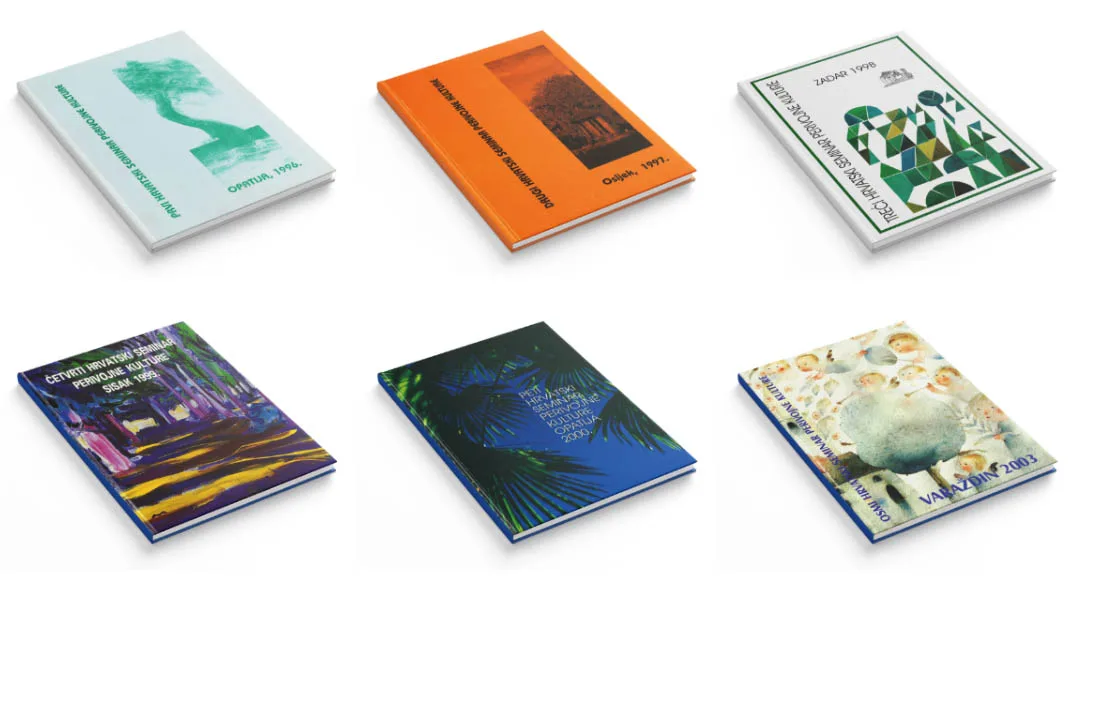
If you want positive change to happen, you first have to change the way people think about the subject in question. Erich Werft knew that, so between 1996 and 2003, the company became a place for learning as much as for design. Erich’s goal was simple and ambitious at the same time: to educate the local market and show the value of landscape architecture. For eight years in a row, the studio hosted annual Seminars of Landscape Architecture that became the main gathering point for experts across the region, releasing publications and connecting professionals into a community.
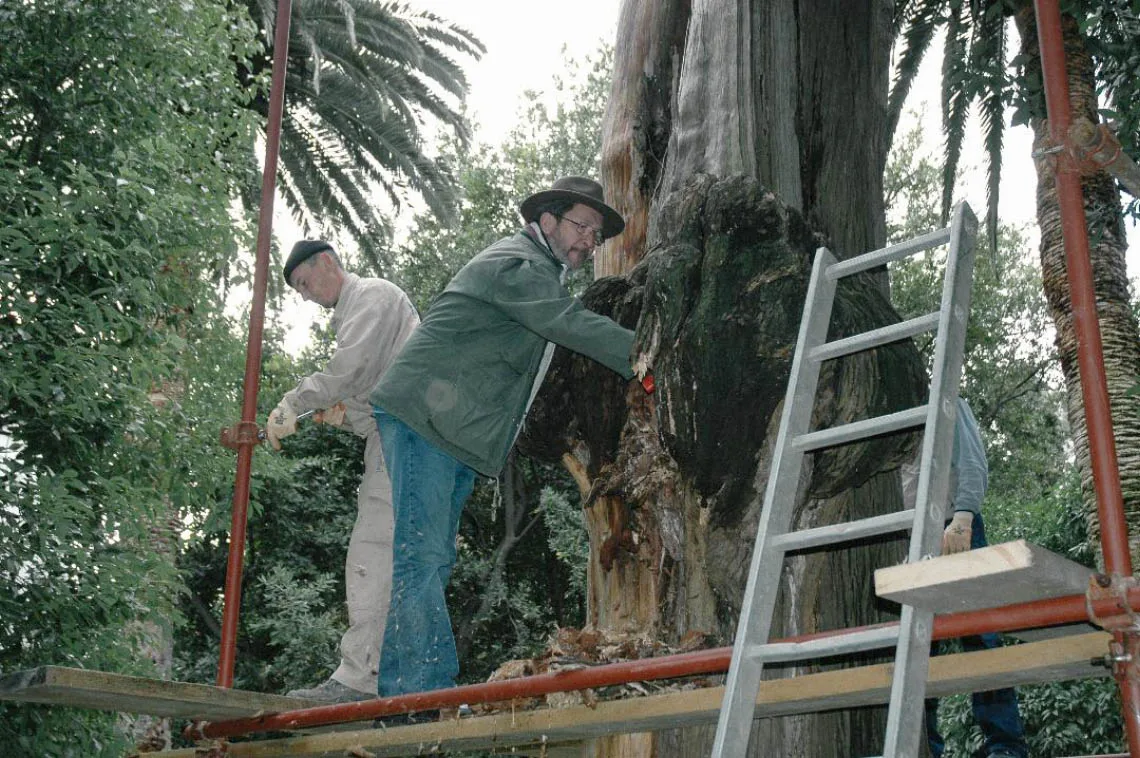
In 2001, the company was called to Arboretum Trsteno following devastating wildfires to lead the restoration and maintenance of the region's oldest Platanus trees. The studio proved its expertise in vegetation recovery, applying specialized care to preserve these living monuments, once again committing to healing nature, even in its most vulnerable states.
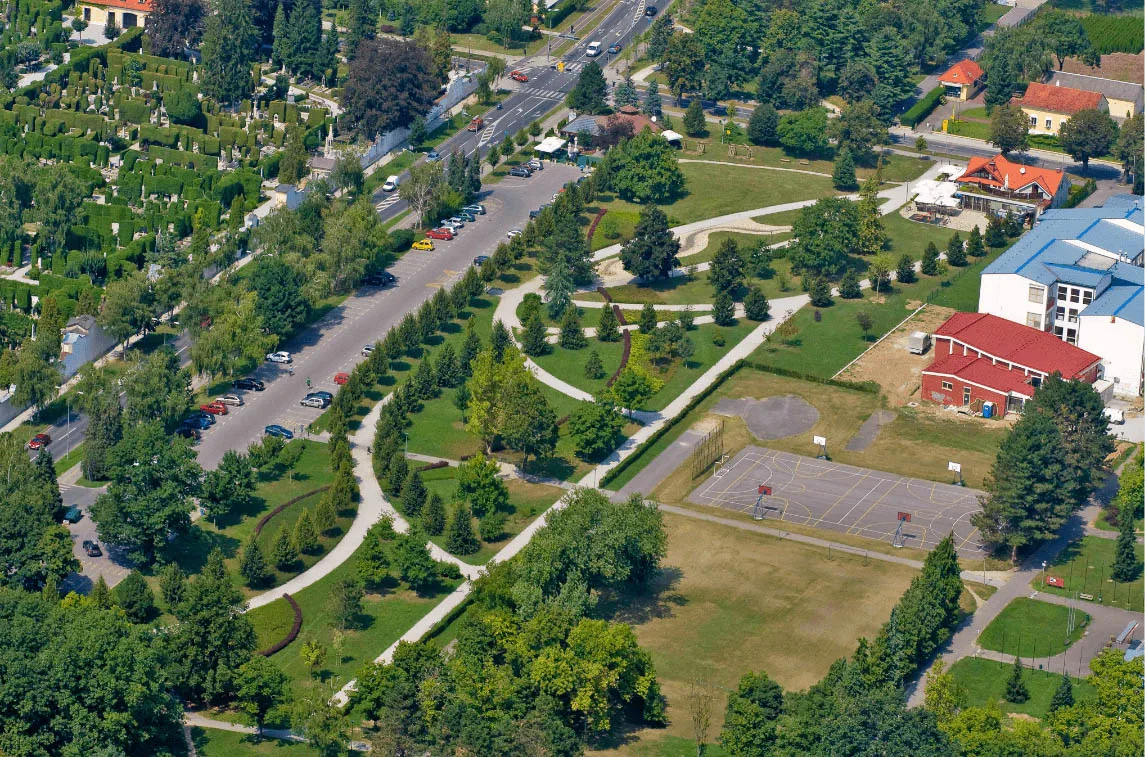
One of the company’s most significant commissions of that era was in 2005, when the studio began work on the Park of Pope John Paul II in Varaždin. It was a moment of professional growth and a chance to shape a landmark for the community, proving they could handle large-scale urban designs with the same care they gave to private gardens.
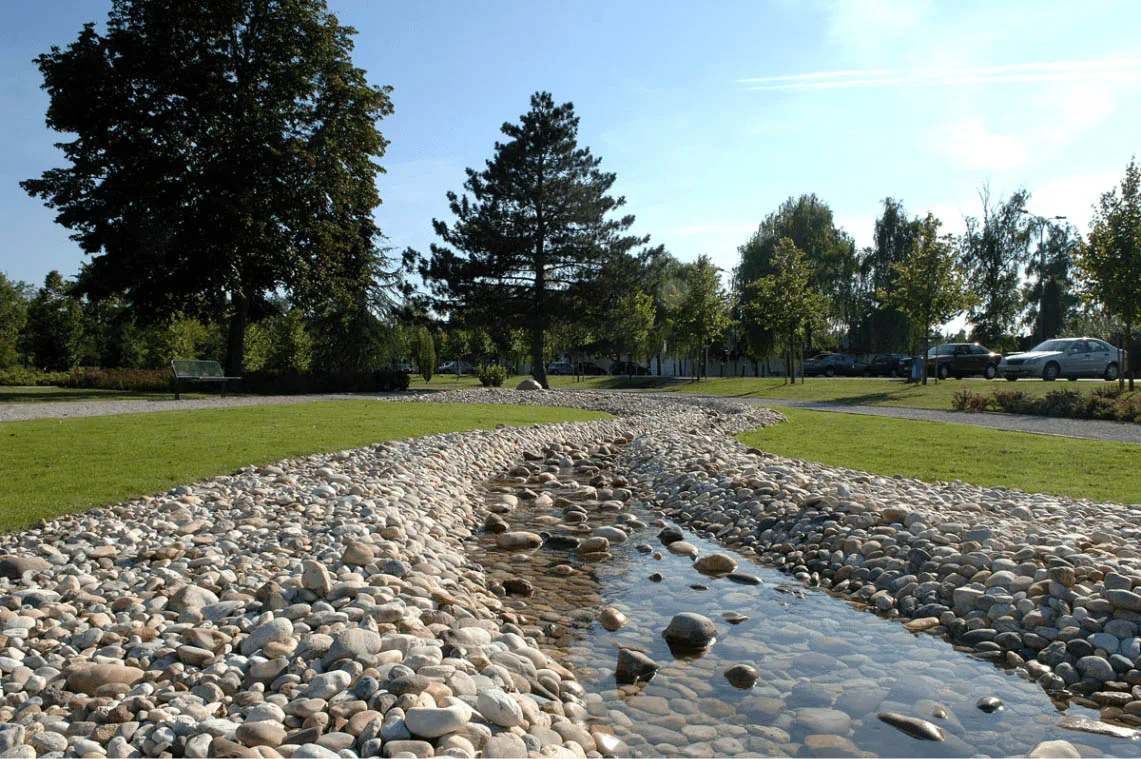
It was here that one chapter closed and a new, authentic path began. In 2006, following Erich Werft's passing, Lucas stepped in and completed what his father had started, adding his own signature with a new water feature in the Park of Pope John Paul II. He saw this as a metaphor for the circle of life, an integration of his father’s foundations, and his own new vision. It was the moment when the legacy was passed on.
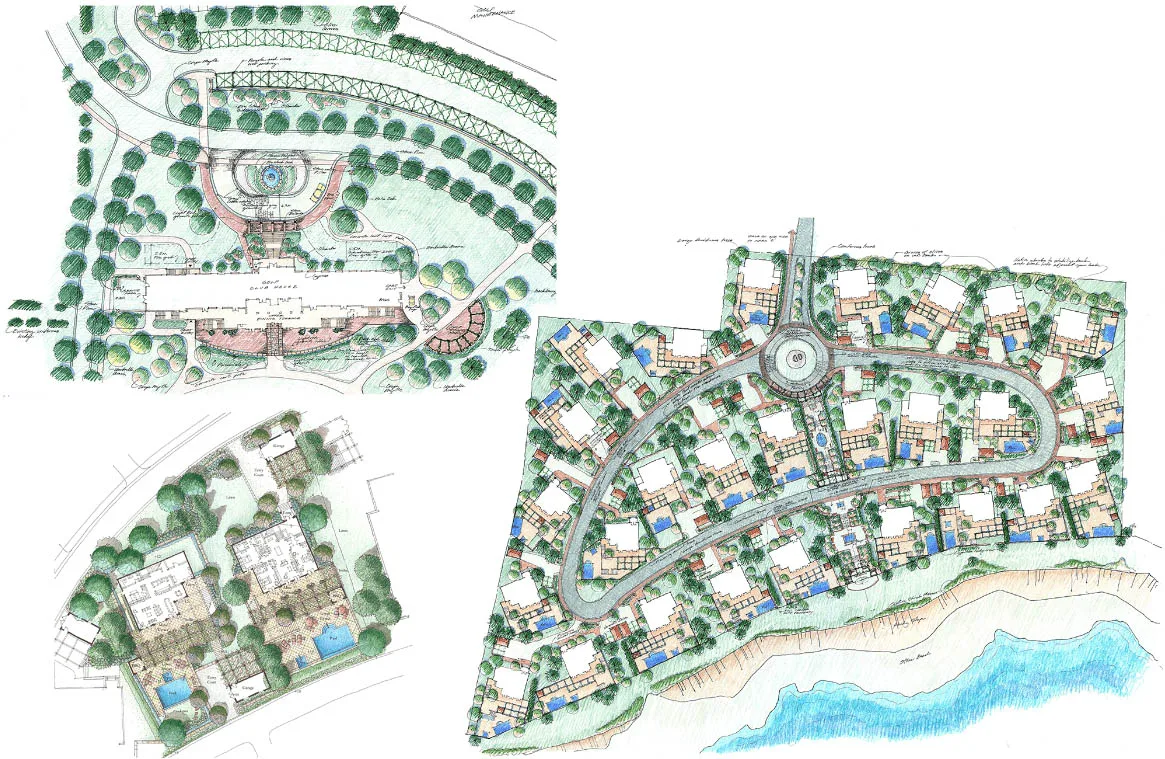
2008 brought a project of a completely different scale: the Marlera Golf Resort in Ližnjan, the first World Championship golf course in Croatia. It was an honor to work within a massive international team, collaborating with world-renowned experts like the SE Group and Graham Cooke & Associates from the USA, proving that the studio could hold its own on a project of this magnitude while meeting the highest global standards.
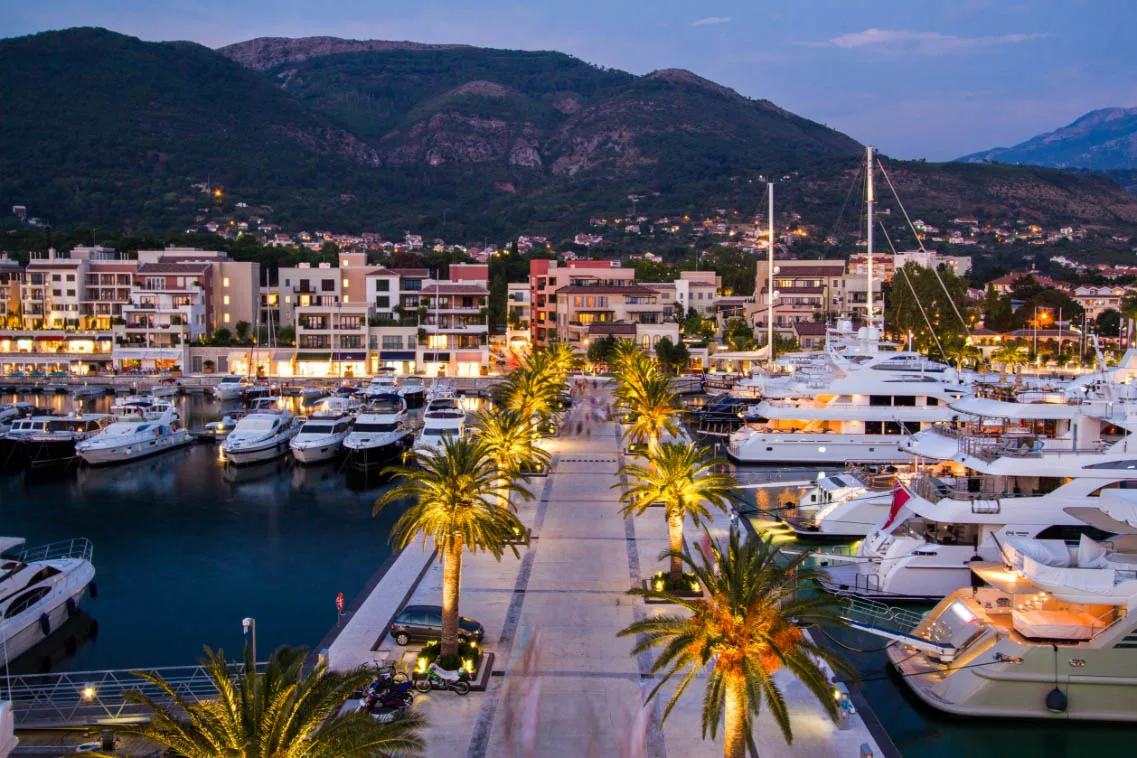
Between 2009 and 2012, the spirit of collaboration led the studio toward projects that redefined the region’s landscape. Working alongside global names like Greg Norman for the Libera Golf Resort in Dubrovnik and Martin Lane Fox for Porto Montenegro, the team continued to push technical boundaries. A major milestone of this era was the Punta Scala Hotel in Zadar, featuring the largest intensive green roof in the region.
But the most significant shift happened within the team itself. This was the period when Peter Welkowitsch joined the studio, eventually becoming a Partner. His arrival brought a fresh perspective and a profound influence on the company’s identity and growth.
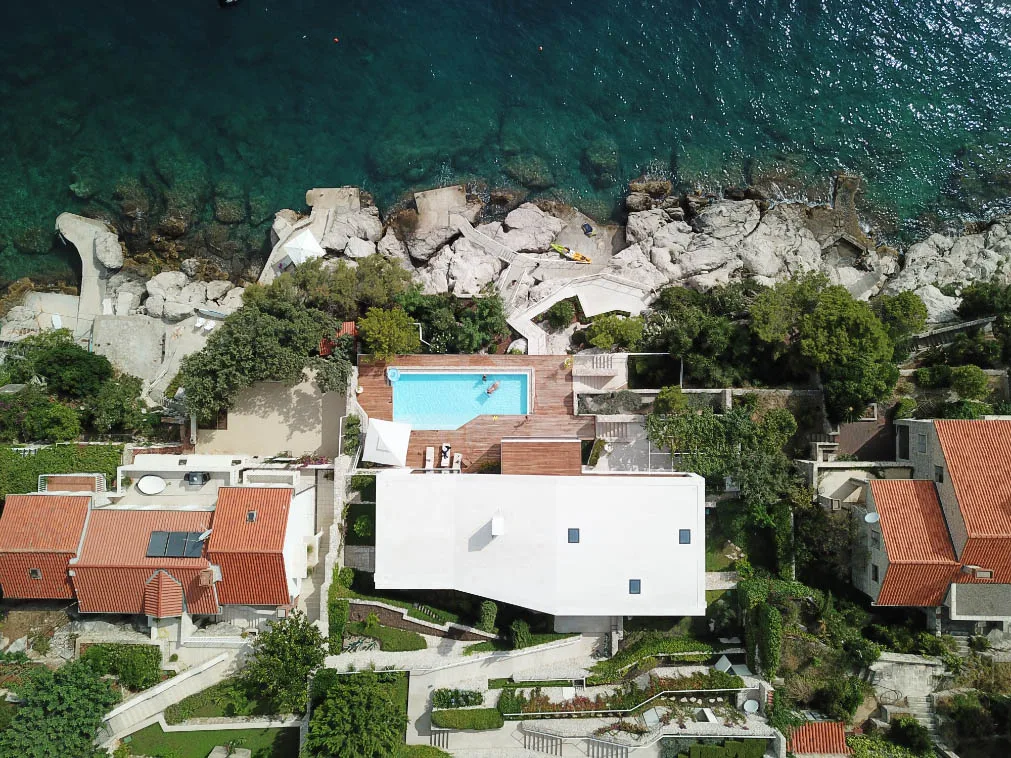
From 2012 to 2016, the studio focused on deepening its regional presence and expanding design possibilities further. This period was defined by a steady balance of public landmarks and intimate private estates. In Croatia, the studio delivered award-winning projects such as St. Anthony’s Channel and Mandalina Marina in Šibenik, alongside the Family V villa in Dubrovnik.
The studio’s international reach continued to grow during these years, with significant work in Montenegro on the One & Only Resort and Plavi Horizonti. By successfully handling both high-profile public works and secluded private sanctuaries, the company proved that its philosophy could adapt to any scale and across any border.
Beginning in 2017, the studio entered a phase of creative evolution defined by large, ambitious projects and a shift toward a much bolder artistic vision. This era has been about setting new benchmarks for the practice and redefining the way technical standards and deep artistic expression work together.
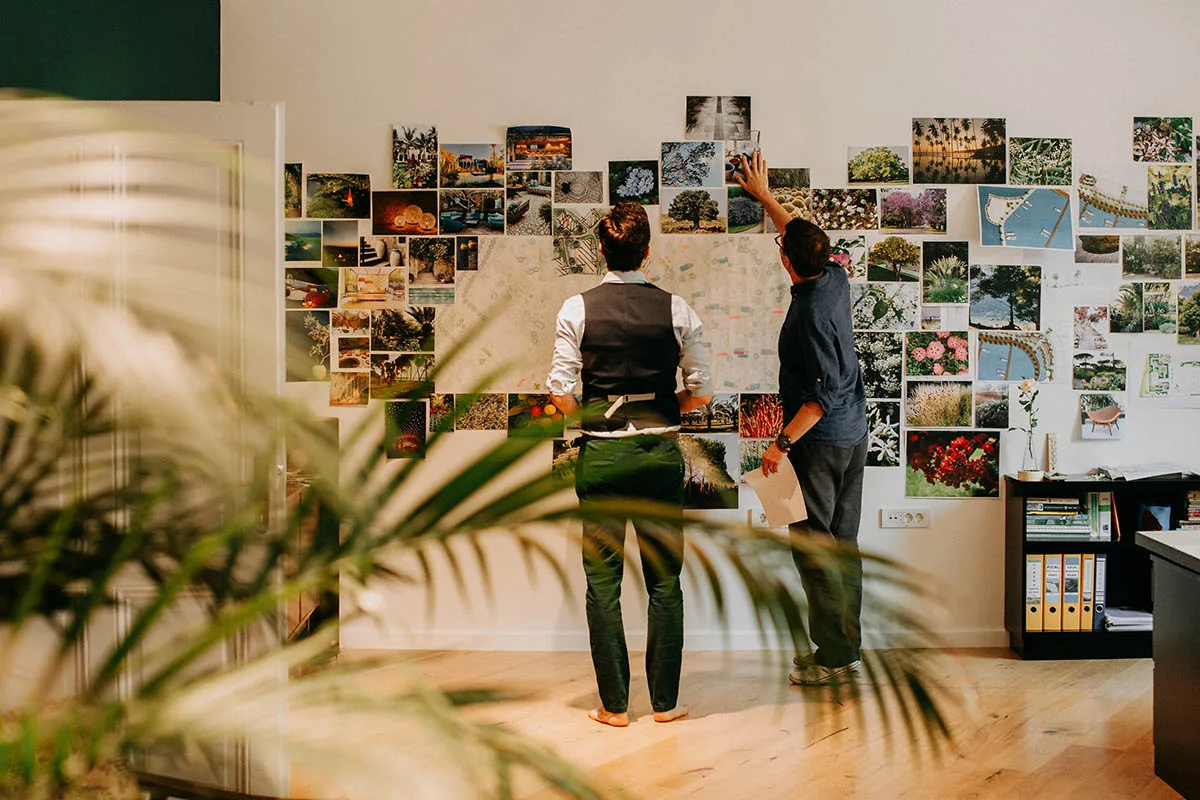
Growth is only as strong as the ground that holds it. In 2019, we realized that moving forward required us to look back. To match our evolving artistic vision, we underwent a total renewal, reclaiming our original name and refreshing our entire visual identity. This change took physical shape in our new workspace, designed to embody the precision and soul of the Werft legacy. It was a deliberate act of returning to our roots so we could keep growing. And we still are…
1984
2025